Why height matters
A lighting pole's height isn't just a number on a spec sheet — it decides the lit area, the uniformity of that light, and the project's total cost. A short pole on a high-speed road leaves dark spots between adjacent fixtures; an over-tall pole on a narrow walkway scatters light and inflates operating cost for no real benefit.
The right choice starts with knowing the site: lane width, traffic load, the kind of light you want (functional or decorative), and the target lux level set by the Saudi traffic-safety code.
Common height ranges in Saudi projects
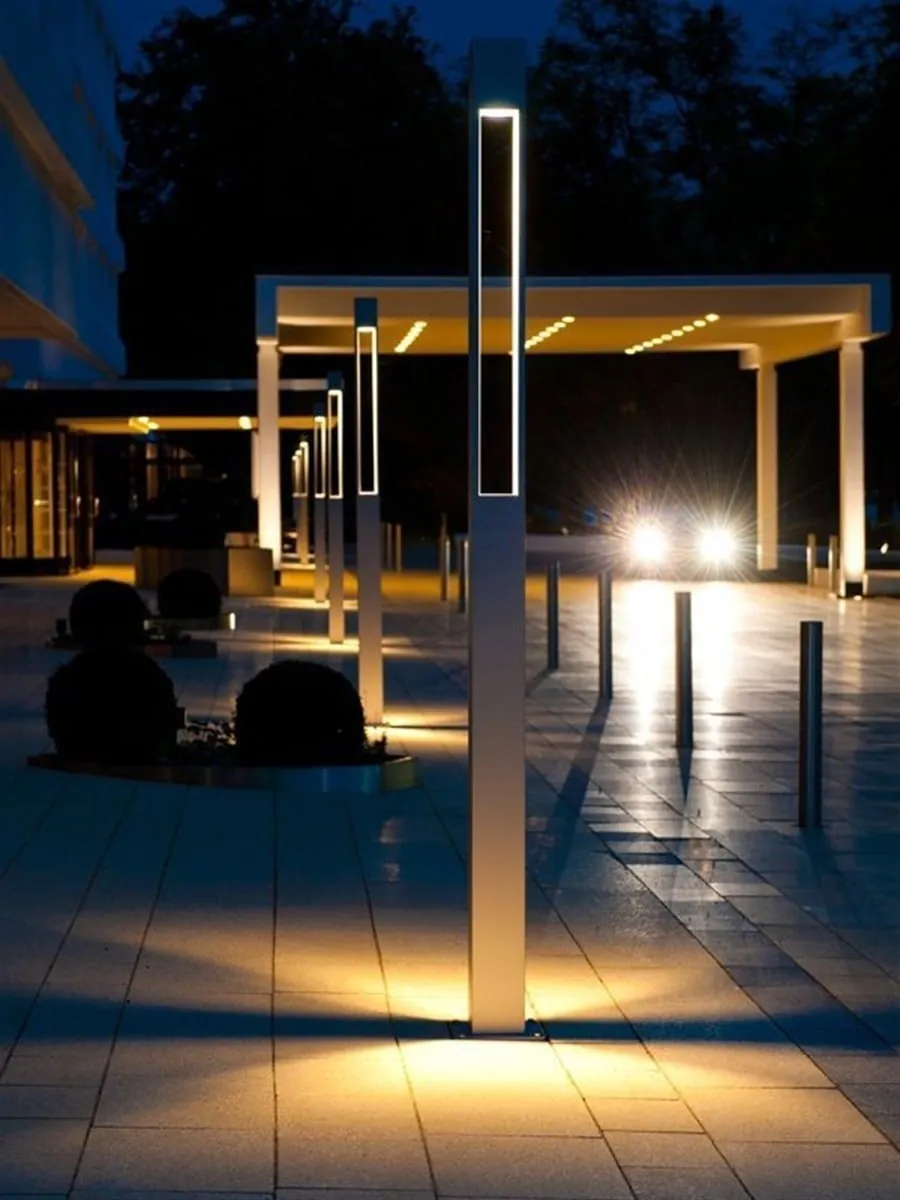
Walkways and private gardens: heights between 3 and 5 meters give warm pedestrian-scale lighting without glare. Decorative designs are usually picked in this range to reinforce the identity of the place.
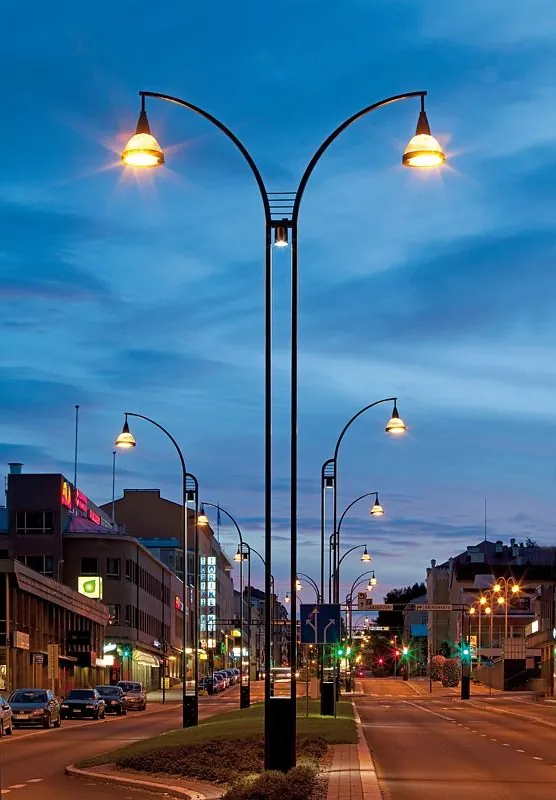
Residential streets and secondary roads: 6 to 9 meters, with a top arm of suitable length to spread light across the carriageway and pedestrian paths on either side.
Main roads and highways: 10 to 12 meters, with strict adherence to standardized pole spacing, arm mounting height, and tilt angle.
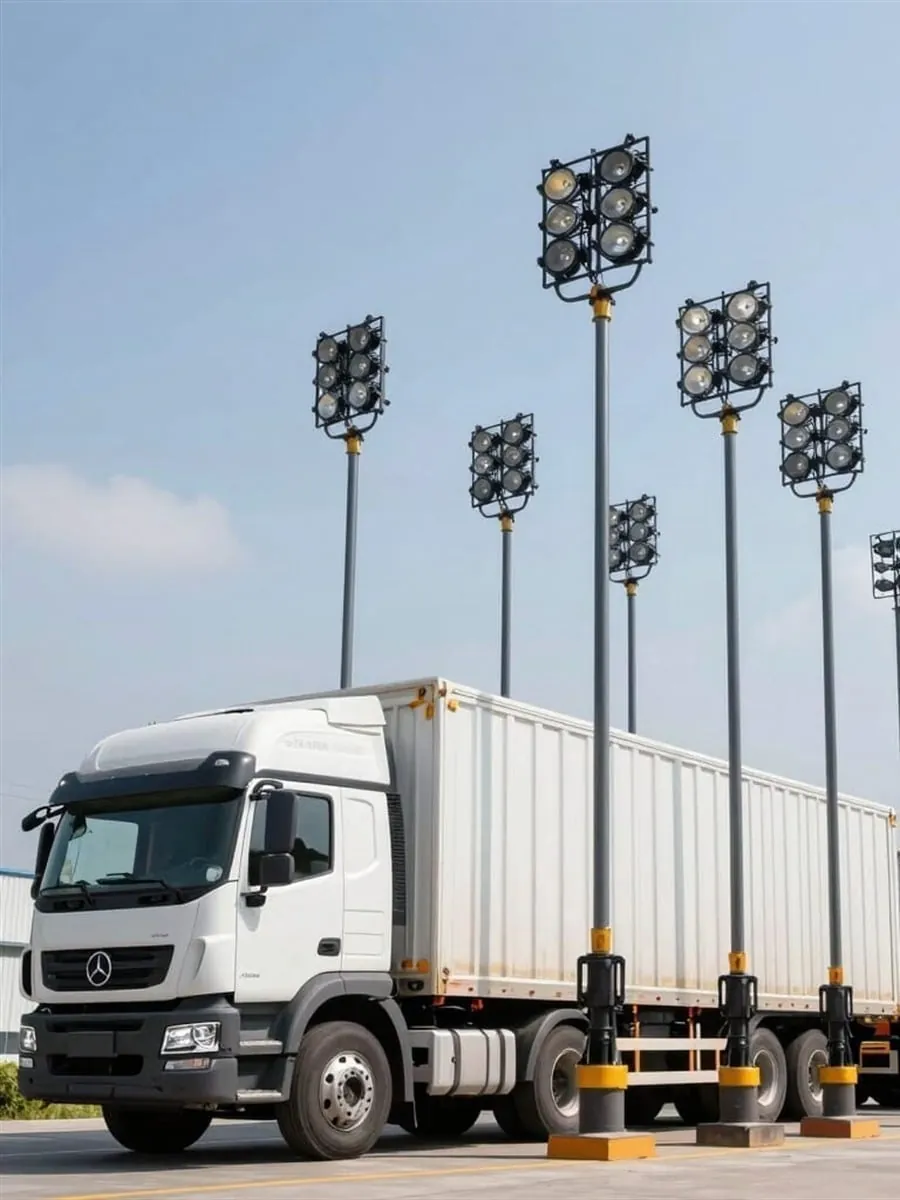
Stadiums and industrial yards: 15 to 30 meters — these are high masts. They demand careful structural load calculations and a different maintenance approach (cherry picker or lowering-headframe systems).
Factors many owners overlook
Wind: in the Kingdom's coastal and central regions, design wind speed exceeds 110 km/h. The taller the pole, the wider the base and the larger the shaft diameter you'll need — illumination math alone doesn't cut it.
Maintenance: a pole 12 meters or taller requires special service access. When designing, account for annual maintenance cost — not just the purchase price.
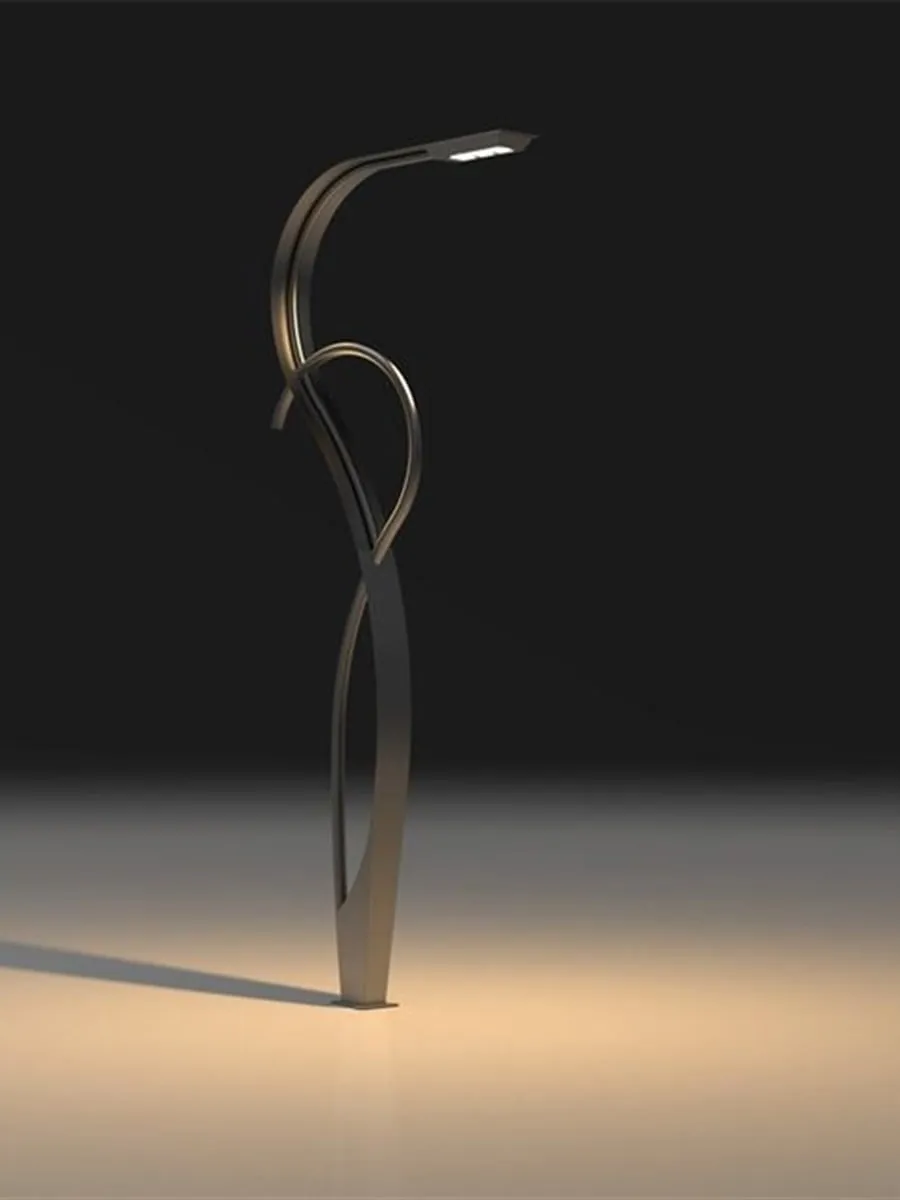
Visual identity: in hospitality and tourism projects, the pole becomes part of the visitor experience. A uniform height that sits in scale with the façades makes a visible difference.
Bottom line
There's no one answer that fits every project. Send us the road width, the traffic profile, and any visual reference from a similar project — our engineering team will return a written recommendation on height, finish, and suggested quantities. The consultation is free and non-binding.
Frequently asked questions
What is the standard street lighting pole height in Saudi Arabia?
There is no single mandated figure; height is set by the road classification and the target illumination level following the lighting-class selection method in EN 13201 and CIE 115, alongside the local road authority's requirements. As indicative ranges common in Saudi projects: residential and secondary roads around 6 to 9 meters, main roads and highways around 10 to 12 meters, while walkways and gardens are typically between 3 and 5 meters. The final figure is confirmed with a photometric calculation (DIALux or AGi32) that meets the lux and uniformity required for the road class.
What is the relationship between pole height and pole spacing?
Spacing scales with height; as a rough rule of thumb the spacing-to-height ratio on functional roads is often between 3 and 4 times, adjusted according to the optic distribution and required uniformity. The taller the pole, the wider its coverage and the greater the spacing it allows — but at a higher luminaire wattage to hold the lux level. Final spacing is confirmed through a photometric calculation that satisfies uniformity and the Threshold Increment glare limit for the road class, not by the approximate ratio alone.
What pole height suits narrow streets, walkways, and pedestrian areas?
For walkways and pedestrian-scale spaces a range of 3 to 5 meters is usually preferred, giving adequate warm lighting without glare or light spilled beyond the path. Narrow residential streets typically fall between 6 and 8 meters with a short arm to direct light onto the carriageway and pedestrian paths. Excess height on a narrow path raises operating cost and scatters light for no benefit; the precise figure is set by a photometric calculation against the required lighting class (M, C, or P).
How do wind loads affect pole height selection in Saudi Arabia?
The taller the pole, the greater the bending moment from wind, which calls for a larger shaft diameter, wall thickness, base plate, and suitable anchor bolts. Loads are calculated per the Saudi Building Code SBC 301, where the design wind speed varies between the Kingdom's regions and often exceeds 110 km/h at several coastal and central sites. A photometric calculation alone is therefore not enough; it must be paired with a structural calculation that verifies pole stability against the exposed area of the fixtures and any arms or signage mounted on it.